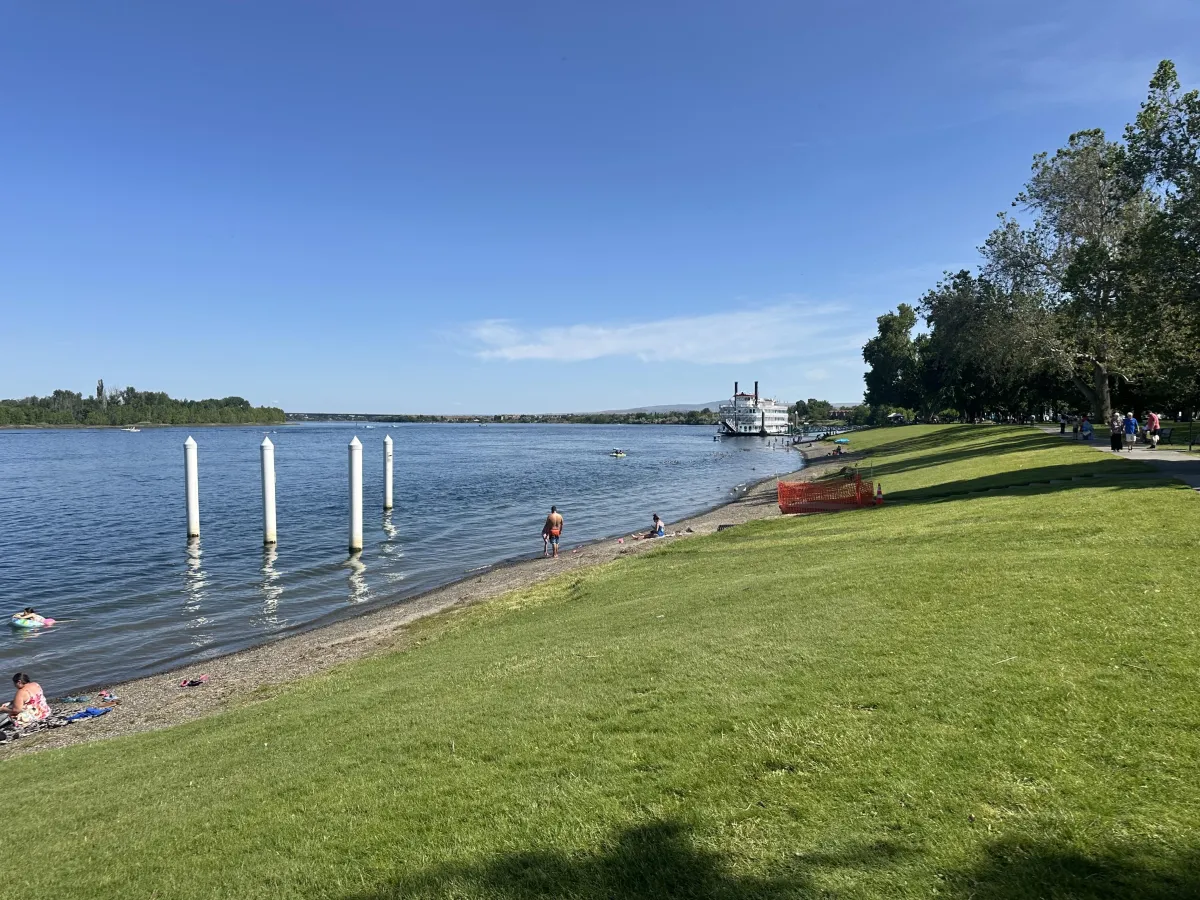
Cost of Living in Tri-Cities, Washington | Moving Guide
Cost of Living in Tri-Cities, Washington: What It Actually Costs to Live Here
If you’re thinking about moving to Tri-Cities, Washington, one of the first questions is usually simple:
What does it actually cost to live there?
Not in theory.
Not in a generic “Washington is expensive” kind of way.
You want to know:
Can I afford to live comfortably in Tri-Cities?
Is it cheaper than Seattle or Portland?
What should I expect for housing?
Are utilities high?
What about groceries, gas, and property taxes?
If I move here, will my monthly budget feel easier or tighter?
That is the right way to think about it.
Because “cost of living” is not just a number. It is whether your income supports the lifestyle you want.
In general, Tri-Cities is more affordable than larger West Coast metros like Seattle, Bellevue, Portland, and much of California. But your actual cost of living depends heavily on housing, commute, lifestyle, and whether you are renting, buying, upsizing, or downsizing.
That is where the real answer lives.
What People Usually Mean When They Ask About Cost of Living
Most people are not asking for a spreadsheet.
They are trying to answer one practical question:
“Will life feel more affordable there than where I am now?”
That usually comes down to:
monthly housing cost
utility bills
groceries
gas and commuting
property taxes
insurance
childcare or school-related costs
lifestyle spending like dining, fitness, and entertainment
For most households, housing is the biggest variable by far.
That is why a “cost of living” article that ignores housing is not very useful.
The Biggest Cost Factor in Tri-Cities: Housing
If you are moving to Tri-Cities, your housing choice will shape most of your budget.
That includes:
whether you rent or buy
what city you choose
how much home you need
whether you want newer construction
whether you are prioritizing schools, commute, lot size, or amenities
A buyer in South Richland may have a very different monthly cost than a buyer in Pasco or Benton City.
A renter looking for a newer apartment near shopping and commuting routes may have a very different experience than someone renting a smaller place in an older area.
That is why broad averages only help so much.
What Housing Costs Tend to Feel Like in Tri-Cities
Here is the practical version:
If you’re moving from a higher-cost metro:
Tri-Cities often feels more manageable than places like:
Seattle
Bellevue
Tacoma
Portland
much of California
parts of Colorado or Arizona where housing has climbed sharply
That is especially true for people who are used to:
higher rent
smaller homes for the same price
heavier traffic
higher monthly payment pressure
If you’re moving from a lower-cost rural area:
Tri-Cities may feel more expensive than expected, especially if you want:
newer construction
a larger home
a specific school-area preference
a move-in-ready property
close access to shopping, restaurants, and commuting routes
The point is this:
Tri-Cities can feel affordable or expensive depending on what you’re comparing it to.
Rent vs Buy in Tri-Cities, WA
This is one of the biggest decision points for people moving here.
Renting may make sense if:
you are relocating for work and want flexibility
you are not sure which city fits you best yet
you want time to learn the area
you are waiting for a home sale elsewhere
you are still building your down payment or reserves
Buying may make sense if:
you plan to stay for several years
you want more control over your monthly housing situation
you want to build equity
you need more space
you want stability instead of rent increases
you already know the area or have strong local guidance
Neither option is automatically better.
The smarter move depends on:
your timeline
your income stability
your cash reserves
your comfort with the monthly payment
whether you want flexibility or long-term stability
How Different Parts of Tri-Cities Affect Cost of Living
This is where people often make assumptions that do not hold up.
Tri-Cities is not one flat market.
Your cost of living can shift depending on whether you land in:
Richland
Kennewick
Pasco
West Richland
Benton City
Richland
Often attracts buyers and renters who want:
established neighborhoods
access to employers
certain school preferences
parks, trails, and community amenities
a mix of older charm and newer growth depending on area
Some areas can carry a higher price tag depending on location, condition, and demand.
Kennewick
Kennewick gives a wide range of options.
That includes:
established neighborhoods
newer developments
access to shopping and restaurants
a variety of price points depending on area
This can make it attractive for people who want flexibility in budget and housing style.
Pasco
Pasco can offer strong value depending on what you need.
For some buyers, it can be a more affordable entry point, especially depending on neighborhood, home age, and price band.
West Richland
West Richland often appeals to buyers looking for:
a little more space
newer homes
a quieter residential feel
a suburban layout
Depending on what you want, that can increase or decrease your overall cost depending on home size and lot expectations.
Benton City
Benton City can appeal to people who want:
more room
a different pace
some separation from the core city feel
a property type that may not be as common elsewhere
But commute and lifestyle preferences matter more here.
Beyond Housing: What Else Affects Cost of Living?
Housing gets the most attention, but your monthly budget is shaped by more than your mortgage or rent.
Utilities
Utility costs depend on:
home size
age of the home
insulation and efficiency
HVAC condition
whether the home is newer or older
landscaping and irrigation needs
A newer, more efficient home can feel very different month to month than an older home with deferred maintenance.
Transportation and Gas
Tri-Cities is generally easier to drive than major metro areas.
That can mean:
less time stuck in traffic
shorter or more predictable commute times
easier access between cities
But your fuel and driving costs still depend on:
where you live vs where you work
how often you cross between cities
school drop-offs
activity schedules
whether you want to be close to amenities or farther out for more space
Groceries and Everyday Spending
Grocery costs are not unique to Tri-Cities in the same way housing is, but they still matter.
Your experience depends on:
household size
eating at home vs eating out
where you shop
how often you commute and combine errands
how much convenience you prioritize
Dining and Lifestyle Spending
Tri-Cities offers more lifestyle options than many people expect.
That can include:
restaurants
coffee shops
wineries
events
gyms and fitness studios
youth sports and family activities
That is a good thing, but it also means your “cost of living” can quietly rise if your lifestyle expands with your environment.
Property Taxes and Homeownership Costs
If you are buying, do not just focus on purchase price.
Your true monthly cost includes:
mortgage principal and interest
property taxes
homeowners insurance
HOA dues if applicable
maintenance
seasonal upkeep
repair reserves
A lot of buyers underestimate what it takes to comfortably own a home after closing.
That is where budget stress starts.
What Makes Tri-Cities Feel More Affordable Than Bigger Cities
For many people, Tri-Cities feels more affordable because of a few practical things:
you may get more house for the money
commute time is usually easier than major metros
parking and daily logistics are simpler
you can often access space that feels out of reach in larger cities
daily life can feel less compressed and less chaotic
That matters more than people think.
Because affordability is not just about math.
It is also about whether your life feels more manageable.
What Can Make Tri-Cities Feel More Expensive Than Expected
There are also cases where people move here expecting “cheap” and are surprised.
That usually happens when they want:
newer construction
premium neighborhoods
highly updated homes
larger lots
specific school-area preferences
a short commute plus a large house plus low price
That combination is where expectations need to be realistic.
Tri-Cities can offer a lot of value, but value is not the same thing as “cheap.”
A Smarter Way to Think About Affordability in Tri-Cities
Instead of asking:
“Is Tri-Cities affordable?”
Ask:
What monthly payment feels comfortable for my household?
How much space do I actually need?
Which city fits my work, school, and lifestyle needs?
Do I want convenience, more space, or the lowest possible cost?
Am I comparing Tri-Cities to a big metro, another small city, or a rural area?
If I buy, do I still have reserves after closing?
That is how you get a real answer.
Who Tri-Cities Often Makes Sense For
Tri-Cities often makes strong financial sense for:
buyers relocating from more expensive West Coast markets
families who want more space without major metro pricing
remote workers who want a more manageable cost structure
move-up buyers who want better value than larger cities
retirees or downsizers who want a slower pace without giving up amenities
professionals who want a balance of affordability, convenience, and livability
Final Take: Is Tri-Cities Affordable?
For many people, yes.
But the more useful answer is this:
Tri-Cities is often more affordable than major West Coast metros, but your real cost of living depends on your housing choices, your lifestyle, and which part of the Tri-Cities area fits you best.
If you are moving to:
Richland
Kennewick
Pasco
West Richland
Benton City
…the smartest next step is not relying on generic cost-of-living calculators alone.
It is looking at:
what housing actually costs in the areas you’d consider
what your monthly payment would really look like
how your commute and lifestyle affect your budget
what trade-offs matter most to you
That is how you decide whether Tri-Cities is the right fit.
FAQs About the Cost of Living in Tri-Cities, WA
Is Tri-Cities, WA affordable?
For many people, yes. Tri-Cities is often more affordable than larger West Coast cities, especially when it comes to housing and overall day-to-day logistics. But your actual affordability depends on your housing choices and lifestyle.
Is Tri-Cities cheaper than Seattle?
I can answer this personally as we moved out of the Greater Seattle area. For many households, yes. Housing and daily life often feel more manageable in Tri-Cities than in Seattle, though the exact difference depends on your income, home size, and lifestyle expectations. For us with kids, it absolutely was a yes.
Is it better to rent or buy in Tri-Cities?
It depends on your timeline. Renting can make sense if you want flexibility or are learning the area. Buying can make sense if you plan to stay for several years and want stability or equity.
Which part of Tri-Cities is most affordable?
That depends on current inventory, neighborhood, home age, and your housing goals. Different parts of Pasco, Kennewick, Richland, West Richland, and Benton City can feel very different in terms of price and value. And also dependent on how much land you prefer whether that's on a typical 10,000 sf lot or an acre.
What should I budget for when moving to Tri-Cities?
Focus on housing first, then add utilities, transportation, groceries, insurance, property taxes if buying, and a realistic buffer for lifestyle spending and unexpected costs.
The Next Best Step
If you are trying to figure out whether Tri-Cities fits your budget, the best next step is to look at what your money actually gets you here.
I can help you understand:
what different price points look like across Tri-Cities
which cities and neighborhoods fit your budget and lifestyle
whether renting or buying makes more sense for your timeline
what to expect before you make a move
Schedule a call or appointment time here
Kim Feliciano
Tri-Cities, WA Realtor®
Helping buyers and sellers navigate the housing market in:
Richland
Kennewick
Pasco
West Richland
Benton City
Website: www.heykimfeliciano.com
Say hello on socials: Instagram | Facebook | TikTok
Monthly market updates: YouTube