
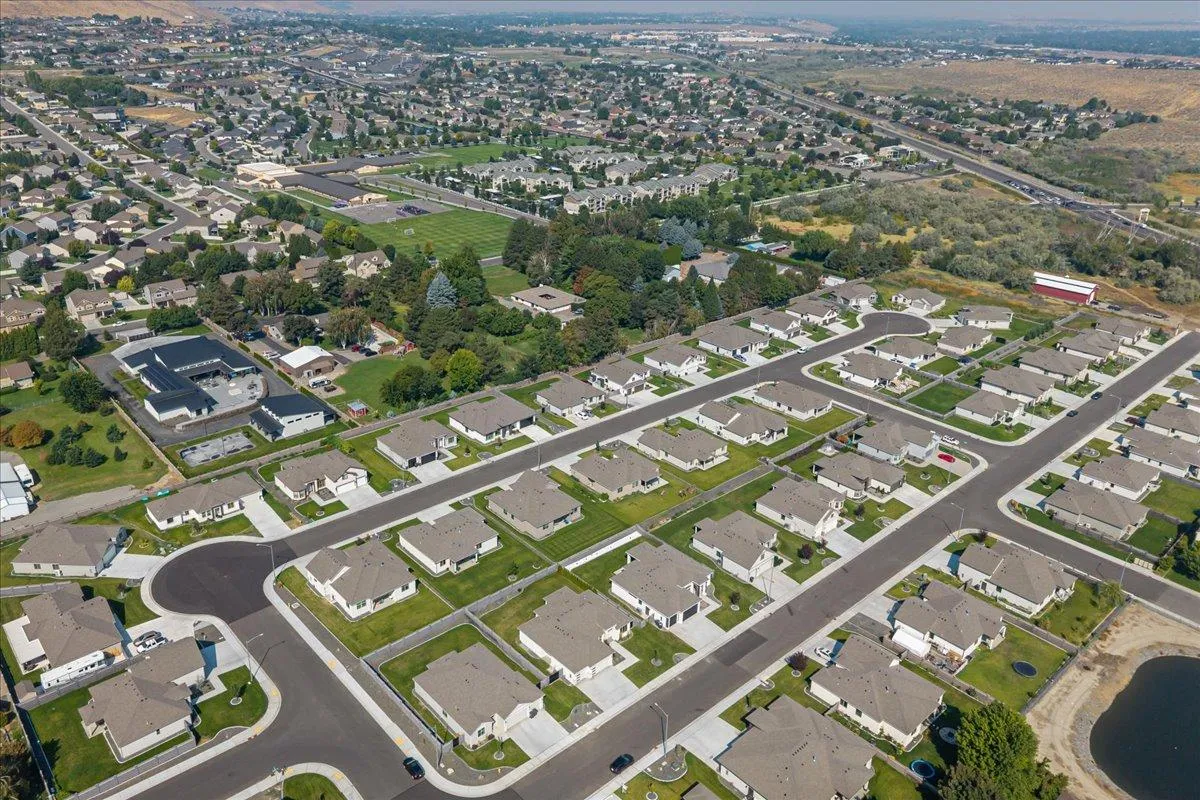
Moving to Tri-Cities, WA? Read This First
Moving to Tri-Cities, WA? Read This First
If you’re thinking about moving to Tri-Cities, Washington, there’s a good chance you’re sorting through a mix of excitement and second-guessing.
The questions usually sound like this:
Is Tri-Cities actually a good place to live?
Which city should I focus on?
Is it better to rent first or buy right away?
What does daily life really feel like?
Am I going to end up in the wrong area because I moved too fast?
What do people wish they knew before moving here?
That’s the real conversation.
Because moving is not just about finding a house.
It’s about making sure the move fits your budget, commute, routine, and the kind of life you want after the boxes are unpacked.
If you’re moving to Tri-Cities, the smartest move is not starting with homes. Start by understanding the area, narrowing down the right part of Tri-Cities for your lifestyle, and building a plan before you commit to a lease or purchase.
That is what saves people time, stress, and expensive mistakes.
First: Tri-Cities Is Not One Place
This is the biggest thing people miss.
When people say Tri-Cities, they usually mean:
Richland
Kennewick
Pasco
But in real life, many people moving here are also comparing:
West Richland
Benton City
That matters because each area can create a different day-to-day experience.
A move that feels great in one part of Tri-Cities may feel off in another if:
the commute is longer than expected
the home style is not what you wanted
the area feels more spread out than you expected
you prioritized the wrong thing too early
That is why your first decision should not be the house.
It should be the area.
What People Usually Get Wrong When Moving to Tri-Cities
Most relocation mistakes happen before the move even starts.
People often:
choose based on a city name instead of lifestyle fit
assume all of Tri-Cities feels the same
start looking at homes before understanding commute patterns
focus on list price but ignore total monthly cost
choose a neighborhood based on reputation instead of routine
rush into buying before they understand the trade-offs
That is how people end up saying:
“The house is nice, but I picked the wrong area.”
“I wish I had rented first.”
“I didn’t realize how much driving I’d be doing.”
“I thought I wanted new construction, but I actually wanted convenience.”
Those are preventable mistakes.
Step 1: Decide What You Want Daily Life to Feel Like
Before you compare homes, decide what matters most in your actual week.
Ask yourself:
Do I want a shorter commute or more square footage?
Do I want newer construction or an established neighborhood?
Do I want more space or easier access to shopping and restaurants?
Do I want a quieter residential feel or a more central location?
How much driving am I comfortable with every week?
Am I okay with a more spread-out lifestyle?
This is where clarity starts.
Because a home can look perfect online and still be the wrong fit if it creates:
too much drive time
more upkeep than you want
less convenience than expected
a budget that feels tight after closing
Step 2: Understand the Main Areas Before You Choose a Home
Here’s the practical breakdown.
Richland
Richland often appeals to buyers who want:
established neighborhoods
mature landscaping
parks and trails
access to employers and amenities
a mix of older charm and newer areas depending on location
It can be a strong fit if you want a rooted, established feel.
South Richland
South Richland often draws buyers who want:
newer construction
modern layouts
a polished suburban feel
move-in-ready homes
newer subdivisions
It can be a strong fit if you prefer newer housing and a more updated overall feel.
Kennewick
Kennewick offers:
a wide range of neighborhoods
older and newer housing options
access to shopping and dining
more flexibility across price points
It is often worth a close look if you want options and do not want to lock into one housing style too early.
West Pasco
West Kennewick often appeals to buyers who want:
convenience
access to retail and restaurants
practical day-to-day location
updated or newer-feeling housing depending on the area
Pasco
Pasco is worth comparing if you care about:
value
different price-point options
a mix of housing styles depending on area
stretching your budget further when possible
Blanket opinions about Pasco are usually not useful. It depends on what you are comparing.
West Richland
West Richland often appeals to buyers who want:
more space
a quieter residential feel
lower-density neighborhoods
larger lots in some areas
a less central setup
It can be a strong fit if you are comfortable trading some convenience for space and feel.
Benton City
Benton City is more location-specific.
Buyers usually look here because they want:
more land
a different pace
a less central setting
property types that are harder to find elsewhere
This is a fit decision, not a default relocation choice.
Step 3: Decide Whether You Should Rent First or Buy Right Away
This is one of the biggest questions relocation buyers ask.
There is no universal answer.
Renting first may make sense if:
you have never lived in Tri-Cities
you are unsure which area fits you best
you want to test commute and routine before buying
you are relocating on a tight timeline
you are waiting for another home sale to close
you want flexibility before making a long-term decision
Buying right away may make sense if:
you already know the area well
you have strong local guidance
you plan to stay for several years
your budget and timeline are clear
you want stability instead of moving twice
the monthly payment works and the area is a strong fit
The mistake is not renting or buying.
The mistake is choosing either one without a clear plan.
Step 4: Focus on Total Monthly Cost, Not Just Home Price
This is where a lot of relocation buyers get caught off guard.
They look at list price and think:
“That seems doable.”
But the real question is:
What does this cost each month after the move?
That includes:
mortgage or rent
property taxes if buying
homeowners insurance
HOA dues if applicable
utilities
commute costs
maintenance if buying
moving costs
reserves after closing
A house that looks affordable on paper can still feel expensive if the total monthly picture is off.
Step 5: Think About Commute Before You Fall in Love With a Home
A lot of relocation buyers do this backwards.
They find a house they love.
Then they look at the commute.
That is risky.
Instead, ask first:
Where will I work most often?
How often will I cross between cities?
How much driving am I okay with each week?
Do I want to be close to shopping, schools, or activities?
Am I okay being farther out if I get more space?
A home is easier to love when the daily routine still works.
Step 6: Know What You’re Optimizing For
Most people moving to Tri-Cities are trying to optimize for one or two things, even if they say they want everything.
Usually it’s some version of:
more space
better value
easier pace
shorter commute
newer home
less stress
lower monthly pressure
more practical day-to-day living
That is helpful.
Because once you know what matters most, the choices get simpler.
What causes stress is trying to get:
the newest home
the biggest lot
the shortest commute
the lowest payment
the most convenient location
…all at the same time.
That is where people get frustrated.
What Moving to Tri-Cities Often Feels Like
For many people, moving to Tri-Cities feels like:
more breathing room
easier driving
more practical housing options
less day-to-day friction than a larger metro
a more manageable pace
That is a big reason people like it here.
But there are trade-offs.
Depending on where you’re coming from, Tri-Cities may feel:
more spread out
less walkable
quieter at night
hotter in the summer
less urban than expected
That does not make it better or worse.
It just means fit matters.
The Biggest Relocation Mistakes People Make
These are the most common mistakes I see.
1. Choosing by Reputation Instead of Routine
A city can have a strong reputation and still be the wrong fit for your actual life.
2. Starting With Homes Instead of Areas
If you choose the house first, you may ignore commute, convenience, and daily flow.
3. Underestimating Drive Time
Tri-Cities is easier than a major metro, but it is still spread out.
4. Buying Too Fast Without Local Context
This is where out-of-area buyers get burned.
5. Assuming All of Tri-Cities Feels the Same
It does not.
Richland, Kennewick, Pasco, West Richland, and Benton City can feel very different depending on what you want.
A Smarter Way to Relocate to Tri-Cities
If you want to move here with less stress, use this order:
Define what you want daily life to feel like
Narrow down the right city or two
Compare commute, budget, and home style trade-offs
Decide whether renting first or buying first makes more sense
Set your real monthly comfort zone
Tour with your routine in mind, not just the house itself
Choose the area that still makes sense after the move is over
That is how people make cleaner decisions.
Final Take: Moving to Tri-Cities? Start Here
If you’re moving to Tri-Cities, the best thing you can do is stop treating the area like one market.
It is not.
The smartest relocation plan is:
understand the different cities
decide what matters most in your daily life
compare areas before homes
think about commute early
know whether renting or buying makes more sense for your timeline
choose based on fit, not hype
The right move to Tri-Cities is not about finding the most talked-about area. It is about finding the place that works for your budget, routine, and long-term plans.
That is what makes the move feel right six months later.
FAQs About Moving to Tri-Cities, WA
Is Tri-Cities, WA a good place to move to?
For many people, yes. Tri-Cities often appeals to people who want more space, easier daily logistics, and a more manageable pace than a larger metro. The best fit depends on what you want your daily life to look like.
Should I rent first before buying in Tri-Cities?
That depends on your timeline and how familiar you are with the area. Renting first can make sense if you want flexibility or need time to learn the different cities. Buying can make sense if you already know the area and plan to stay long term.
Which part of Tri-Cities should I live in?
That depends on your budget, commute, home style, and priorities. Richland, Kennewick, Pasco, West Richland, and Benton City can each feel very different depending on what matters most to you.
Is Tri-Cities expensive to live in?
For many people moving from larger West Coast markets, Tri-Cities can feel more manageable. But your actual cost depends on housing, commute, and the type of home or rental you choose.
What do people wish they knew before moving to Tri-Cities?
Most people wish they had compared the different cities more carefully before choosing a home. The biggest mistakes usually come from moving too fast, focusing only on the house, or not thinking enough about commute and daily routine.
Build a Plan
If you’re moving to Tri-Cities, the best first step (after stalking several homes on Zillow) is to build a plan before you start clicking on homes.
I can help you compare:
Richland vs Kennewick
Pasco vs West Richland
rent first vs buy first
convenience vs more space
newer homes vs established neighborhoods
That makes the move simpler and gives you a much better chance of landing in the right place the first time. Click here to schedule a call or in-person appointment
Kim Feliciano
Tri-Cities, WA Realtor®
Helping buyers and sellers navigate the housing market in:
Richland
Kennewick
Pasco
West Richland
Benton City
Website: www.heykimfeliciano.com
Say hello on socials: Instagram | Facebook | TikTok
Monthly market updates: YouTube