
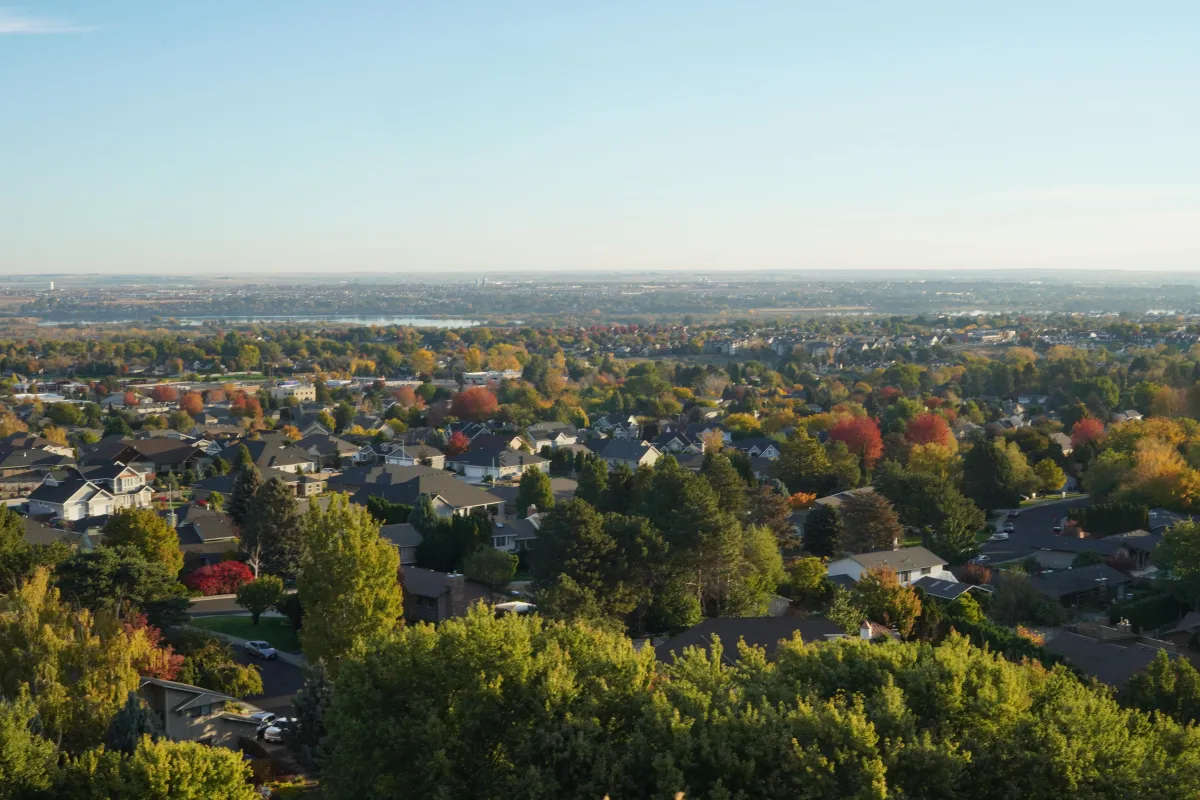
What Is the Weather Really Like in Tri-Cities, WA? What to Know Before Moving
If you're thinking about moving to Tri-Cities, Washington, you've probably already heard some version of:
“It's hot and dry.”
That's true.
But it doesn't really explain what living here feels like.
I'm Kim Feliciano, a Tri-Cities, WA REALTOR®, and if I had to describe our climate to someone relocating here, I'd emphasize one word:
Dry.
Yes, summers get hot. But the Tri-Cities is dry throughout the seasons, and that affects more than whether you need a good moisturizer.
It affects your yard.
It affects irrigation.
It affects summer recreation.
It can affect wildfire risk.
And depending on where you're buying, weather and geography are things you should consider when choosing a property—not just after you've moved in.
Then winter arrives and newcomers sometimes discover another surprise.
Yes, we get cold.
Yes, we can get snow and ice.
And yes, the wind can occasionally remind you that your garbage cans weren't as secure as you thought.
So let's talk about what the weather is actually like when you live in the Tri-Cities.
First Things First: This Isn't Seattle Weather
One of the biggest mistakes people make when moving here from outside Washington is assuming all of Washington has the same climate.
It doesn't.
Tri-Cities is in southeastern Washington, on the dry side of the state.
If your mental picture of Washington is endless green forests, gray skies and rain, the Tri-Cities may surprise you.
Our natural landscape is much more arid.
You'll see sagebrush, dry grasses, open hills and a lot of sunshine.
That difference is important when you're deciding whether this is somewhere you'd enjoy living.
Yes, Tri-Cities Summers Get Hot
Let's get this one out of the way.
Summer can be hot.
You'll see stretches of temperatures that make air conditioning feel less like a luxury and more like something you're very happy to have.
But there's an important distinction for people moving from humid climates:
It's generally a dry heat.
That doesn't mean 100-degree weather suddenly feels cool.
Hot is hot.
But it feels different from the heavy, sticky humidity someone relocating from the South or Midwest may be used to.
You also need to respect the heat.
If you're hiking, boating, working outside or spending the afternoon at a kids' sporting event, hydration and sun protection matter.
Dry Doesn't Just Describe Summer
This is something newcomers don't always expect.
The dryness is part of the Tri-Cities climate throughout the year.
You notice it in the landscape.
You notice it in your skin.
And homeowners definitely notice it in their yards.
A beautiful green lawn in the Tri-Cities isn't evidence that we live in a naturally lush environment.
Usually, somebody is watering it.
That's an important distinction if you're moving here from an area where rain handles much more of the landscaping for you.
Irrigation Matters Here
When I'm helping someone buy a home in the Tri-Cities, irrigation can be an important part of the property conversation.
If you're looking at a house with a large green yard, don't just admire the grass.
Ask:
How is all of this being watered?
Depending on the property, you may have an irrigation system, timed sprinklers or other considerations around maintaining landscaping.
This becomes even more important when you're looking at larger lots or acreage.
That beautiful outdoor space comes with maintenance.
You want to understand what maintaining it will actually involve before you buy it.
Summer Also Means Paying Attention to Fire Danger
This is one of the more serious realities of living in a dry climate.
When vegetation dries out during the warmer months, fire danger matters.
That doesn't mean you should be afraid to live here.
It means you should be aware of the environment you're living in.
Washington experiences wildfire seasons, and southeastern Washington isn't somehow exempt because we're in a populated area.
Dry grasses and vegetation can burn quickly.
During periods of elevated fire danger, local authorities may implement burn restrictions or bans.
If you're new to the area, pay attention to those notices before burning outdoors or doing anything that could create sparks.
Acreage Properties Deserve Extra Attention
This is something I'd especially want a buyer to think about if they're considering an acreage property or something along the more rural edges of the Tri-Cities.
Acreage can be fantastic.
More space.
More privacy.
Room for animals, shops, RVs or whatever fits your lifestyle.
But look beyond the house.
What's surrounding it?
Dry grasses?
Brush?
Open land?
How close is vegetation to the home?
What's the access like?
How is the property maintained during the dry season?
This is where concepts such as defensible space become worth understanding.
A gorgeous five-acre property looks different when you're evaluating it through the lens of a dry Eastern Washington summer.
Wildfire Smoke Can Affect the Tri-Cities Too
Another thing people relocating here should know is that a wildfire doesn't have to be burning inside the Tri-Cities for us to feel its effects.
Regional wildfire smoke can travel.
Some years are better than others, and conditions depend heavily on where fires are burning and which direction the wind is moving.
When smoke is present, air quality can affect outdoor activities.
That may mean changing your plans for running, hiking, kids' sports or simply spending the day outside.
It's not something that defines every summer day.
It's something residents learn to pay attention to when wildfire activity is occurring around the region.
What Are Winters Like in Tri-Cities?
This is where people sometimes underestimate us.
We do have winter.
We get cold temperatures.
We get snow.
We get ice.
But I wouldn't describe the typical Tri-Cities winter as one giant snowstorm after another.
Most years, winter weather comes and goes.
You may wake up to snow.
Roads can get icy.
Then conditions change.
If you're relocating from somewhere like Alaska or an area known for major winter storms, the Tri-Cities may feel relatively mild by comparison.
If you're relocating from Phoenix?
You may have a very different opinion.
Perspective matters.
Ice Can Be More Annoying Than Snow
Personally, this is one of the things I'd want a newcomer to understand.
Snow is obvious.
Ice can be sneaky.
Temperatures can drop enough to create slick roads, driveways and sidewalks.
If you aren't accustomed to winter driving, slow down and give yourself extra room.
The Tri-Cities isn't buried under snow for the entire winter, but that doesn't mean you should ignore winter road conditions when they happen.
And Then There's the Wind
Yes.
Tri-Cities can be windy.
Most windy days aren't dramatic events.
But every once in a while, we get a reminder of what stronger winds can do.
Garbage cans go traveling.
Fence panels can come down.
Tree limbs can break.
And shingles can be damaged.
We experienced some unusually strong weather systems recently that were a good reminder of what a significant wind event can look like around here.
That doesn't mean damaging wind is an everyday occurrence.
It isn't.
But wind is something homeowners should take seriously when the forecast calls for a significant event.
What Does Wind Mean When You're Buying a House?
This is where weather becomes a real estate conversation.
When you're considering a property—particularly something more exposed—look at the exterior.
How does the roof look?
How old is it?
How are the fences?
Are there large trees near the house?
Are outdoor structures secured?
Is the property particularly exposed?
You don't need to reject a house because it's windy outside.
You simply want to understand the property you're buying.
Does Tri-Cities Have Four Seasons?
Yes.
And that's something I think gets lost when people hear “desert” or “dry climate.”
Summer gets hot.
Fall cools down.
Winter can bring freezing temperatures, snow and ice.
Spring warms everything back up.
The transition seasons can be some of the nicest times to be outside.
So if you're imagining 100-degree weather twelve months a year, that's definitely not the Tri-Cities.
Weather Should Be Part of Your Home Search
Here's where I want to connect all of this back to buying a home.
Most buyers naturally focus on:
Price.
Bedrooms.
Bathrooms.
Square footage.
Kitchen.
Garage.
Neighborhood.
Those things matter.
But once you've lived somewhere for a while, the property itself starts interacting with the climate.
That's why I want buyers thinking about things like:
Fire exposure.
Flood exposure.
Irrigation.
Drainage.
Roof condition.
HVAC.
Trees.
Fencing.
The amount of land they're agreeing to maintain.
Those things may not look exciting in listing photos.
They can matter quite a bit once you own the house.
Pay Attention to Fire Risk When Buying Acreage
If you're considering acreage, don't evaluate fire exposure based on appearance alone.
Ask questions.
Research the property.
Understand the surrounding land.
Think about how vegetation is maintained.
Look at access.
And talk with your insurance provider before closing about the specific property.
Insurance availability, coverage and cost can vary by property and carrier.
That's something I'd rather have you understand before you own the house than afterward.
What About Homes Near the Columbia or Yakima River?
Now we go from fire to water.
Living near one of our rivers can be beautiful.
The Columbia and Yakima Rivers are major parts of the Tri-Cities landscape and lifestyle.
But if you're considering a property near water, don't make assumptions about flood risk simply because of how close—or far—the house appears to be from the river.
Check the actual property.
Flood information can be searched by specific address through official flood maps.
That's much more useful than saying:
“It's near the river, so it must flood.”
Or:
“The river isn't in the backyard, so there's nothing to worry about.”
Neither assumption is good enough.
Flood zones are property-specific.
Flood Zone Doesn't Automatically Mean “Don't Buy”
I want to make this distinction because buyers can hear “flood zone” and immediately panic.
The point isn't to scare you away from a house.
The point is to know what you're buying.
If a property has identified flood exposure, find out what that means.
Talk to your insurance professional.
Talk to your lender if you're financing.
Understand any insurance requirements.
Review the actual flood information for the property.
Then make an informed decision.
That's very different from discovering the issue two days before closing.
Fire Risk Isn't Automatically a Reason Not to Buy Either
Same principle.
A property having greater wildfire exposure doesn't automatically make it a bad property.
Acreage and rural-edge living can offer things you simply can't get in a typical subdivision.
But there are tradeoffs.
More land can mean more vegetation management.
More exposure can mean thinking differently about fire prevention.
Insurance deserves attention.
Emergency access deserves attention.
The key is understanding those things before you fall in love with the view and the shop.
Don't Forget the HVAC System
Remember when I said summers get hot?
This is where your HVAC system becomes important.
When I'm looking at a resale home, I care about the condition of the heating and cooling system.
How old is it?
Has it been maintained?
Does it work properly?
A house with an older HVAC system isn't automatically a bad purchase.
But in our climate, air conditioning is something you're going to appreciate when summer arrives.
Know what you're buying.
What About New Construction?
New construction can give buyers newer HVAC systems, roofing and other components.
But don't assume that means there are no weather-related considerations.
Look at:
Landscaping.
Irrigation.
Fencing.
Drainage.
Lot exposure.
What's included with the house?
What's still bare dirt?
If you're responsible for adding the backyard landscaping and fencing after closing, that's part of the real cost of the property.
This is something I talk about when comparing new construction vs. resale homes in the Tri-Cities.
The purchase price isn't the only number that matters.
A Real-World Example: The Acreage Buyer
Imagine you're moving from the Seattle area.
You find a Tri-Cities property with several acres.
You love it.
There's room for a shop.
No neighbor directly behind you.
Huge sky.
Beautiful sunsets.
Exactly what you wanted.
Before you buy, I want you to ask a few less exciting questions.
How is the land maintained?
What's the wildfire exposure?
Where does the irrigation come from?
What's the insurance situation?
What will it cost to maintain all of this?
What happens during high winds?
Those answers may not change your mind.
Great.
Now you're buying the property with your eyes open.
Another Example: The River Buyer
Now imagine you find a home near the Yakima or Columbia River.
You love being close to the water.
Again, great.
But let's check the property-specific flood information.
Let's understand insurance.
Let's understand the lot.
Let's look at drainage.
Then you decide.
This is how I prefer to approach real estate.
Information first. Decision second.
Common Weather Mistakes People Make When Moving to Tri-Cities
Assuming Washington Means Rain
Western and Eastern Washington have very different climates.
Underestimating the Summer Heat
Dry heat is still heat.
Forgetting About Irrigation
Green landscaping here usually requires water and maintenance.
Ignoring Burn Restrictions
Dry summer conditions can lead to local fire restrictions. Check current rules before outdoor burning.
Assuming Acreage Is Just a Bigger Yard
More land means more maintenance and potentially different fire, irrigation, access and insurance considerations.
Assuming We Don't Get Winter
We get freezing temperatures, snow and ice.
Ignoring Wind
Most days are manageable, but significant wind events do occur.
Assuming “Near the River” Tells You the Flood Risk
It doesn't.
Check the specific property.
FAQ: Tri-Cities, Washington Weather
Is Tri-Cities, WA Hot?
Summers can get very hot, with extended periods of high temperatures possible. The climate is generally dry rather than humid.
Is Tri-Cities, WA Humid?
Tri-Cities is known for a relatively dry climate. People relocating from humid parts of the country often notice the difference quickly.
Does It Snow in Tri-Cities, Washington?
Yes. Tri-Cities can receive snow and experience freezing and icy conditions during winter, although persistent major snowstorms aren't the everyday winter experience.
Is Tri-Cities Windy?
It can be. Wind is a normal part of the local climate, and occasional stronger wind events can cause property damage.
Are Wildfires a Concern in Tri-Cities?
Dry vegetation and hot summer conditions mean fire awareness is important, particularly around acreage, rural-edge properties and areas with dry grasses or brush.
Conditions vary, so residents should follow current local fire restrictions and emergency information.
Are There Flood Zones in the Tri-Cities?
Flood exposure varies by location and individual property.
Buyers considering properties near waterways such as the Columbia or Yakima River should check the specific address using official flood maps rather than relying on assumptions.
Do I Need Irrigation in Tri-Cities?
Many landscaped properties rely on irrigation or sprinkler systems because of the dry climate.
The specific water and irrigation setup varies by property, so it's worth investigating before purchasing.
Is Tri-Cities Weather Better Than Seattle?
“Better” depends entirely on what you like.
If you prefer a drier climate and hot summers, you may love it.
If you prefer Western Washington's milder, wetter environment, Tri-Cities will feel very different.
So, What's the Weather Really Like in Tri-Cities, WA?
Dry.
That's probably the most useful word I can give you.
Our summers are hot and dry.
Our natural landscape reflects that.
We get winter.
We get snow and ice.
We get wind.
And every once in a while, we get a weather event that sends the garbage cans rolling down the street and reminds everyone to check their fences.
But weather here isn't just something to talk about.
It should be part of how you evaluate a home.
If you're considering acreage, understand the fire exposure.
If you're considering a property near the Columbia or Yakima River, check its flood information.
Understand irrigation.
Look at the HVAC.
Look at the roof.
Think about the yard you're agreeing to maintain.
And check insurance before you close.
The goal isn't to make you nervous about buying in the Tri-Cities.
It's to help you understand what living here is actually like before you make a major decision.
If you're considering moving to Richland, Kennewick, Pasco or West Richland, I can help you look beyond the listing photos and think through how the property fits the way you actually want to live.
Kim Feliciano
Tri-Cities, WA REALTOR®
Helping buyers and sellers navigate the housing market in:
Richland
Kennewick
Pasco
West Richland
Benton City
Website: www.heykimfeliciano.com
Say hello on socials: Instagram | Facebook | TikTok
Monthly market updates: YouTube